Home Espresso Machine Buying Guide: Manual vs. Bean-to-Cup
Get this decision right and it’s the best thing in your kitchen for the next decade. Get it wrong and it gathers dust after three months. Here’s how to actually think about it, not just what’s on the spec sheet.
The real question: how hands-on do you want to be?
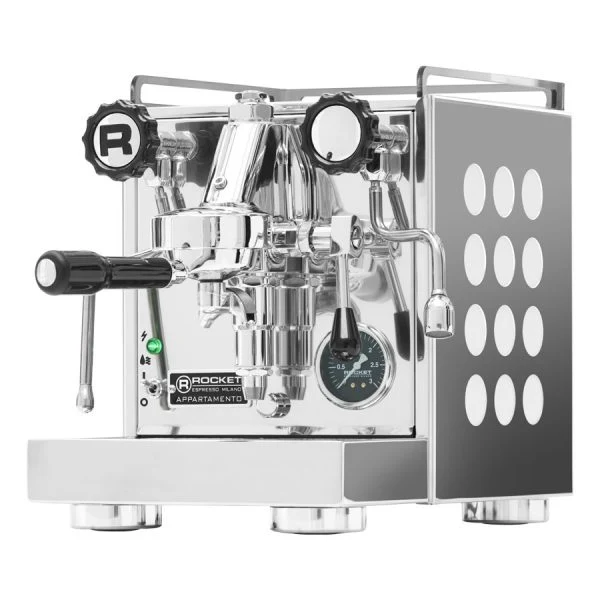
Manual espresso machines — like the Rocket Appartamento, Giotto R, Giotto V Cronometro or the Rancilio Silvia — put grinding, dosing and extraction in your hands. You get full control over the shot, and for a lot of people, the ritual is half the appeal: weighing beans, tamping, watching extraction time, adjusting until it’s right. Bean-to-cup machines — like the Jura C9 — automate that whole process at the touch of a button, trading a bit of control for speed and consistency on a busy morning.
The honest question is whether you want to invest your time in the process to get ultimate control over the result or get the result that suits a solid coffee for most people with minimum effort, and being realistic about that up front saves a lot of buyer’s remorse later.
Learning curve — what to actually expect
A manual machine isn’t plug-and-play. Expect a genuine learning period — weeks, not days — of adjusting grind size, dose and tamp pressure before you’re consistently pulling shots you’re happy with. If you enjoy that process, it’s part of the appeal. If you just want a decent coffee before work with minimum fuss, that learning curve is a real cost worth weighing against the control you’d gain.
Bean-to-cup machines remove almost all of that curve — you’re choosing a coffee-drink option and pressing a button — but you also lose the ability to fine-tune a shot the way a manual machine allows. Also worth mentioning, is that an automatic bean to cup machine still needs attention, hygiene is as important for these machines as for a manual machine.
Don’t skip the grinder question
A machine is only half the equation — see our grinder buying guide if you’re going the manual route, since the wrong grinder undoes a good machine fast. A low-quality blade grinder paired with a genuinely good manual machine will still produce inconsistent, disappointing shots — the grinder is not an afterthought.
Footprint, noise and kitchen fit
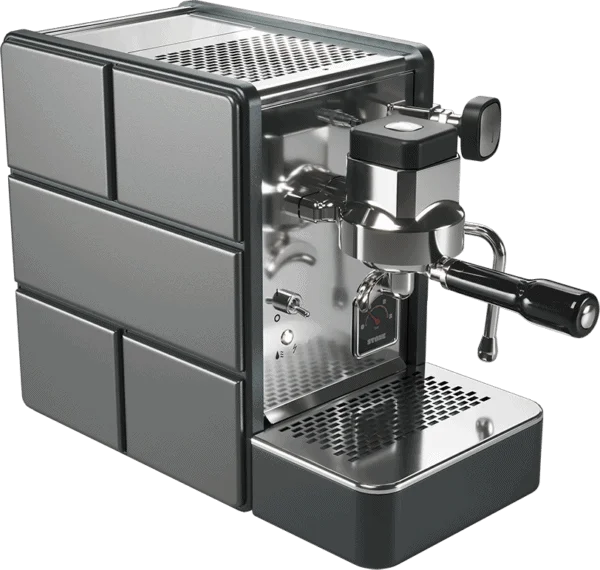
If kitchen space is tight, the Stone Espresso Pure or Lite gives you a manual machine with a smaller footprint than the larger Rocket models. Bean-to-cup machines vary a lot in footprint and noise — some grind loudly enough to matter in an open-plan kitchen first thing in the morning, which is worth checking in a demo rather than assuming from a spec sheet.
What You’re Actually Investing In, Short and Long Term
Bean-to-cup machines can cost more up front but save time daily and often include self-cleaning cycles that reduce day-to-day maintenance. Manual machines cost less up front but ask more of you — both in time learning the craft and in ongoing accessories (a decent grinder, a tamper, a scale) that aren’t always included in the initial price. Factor in servicing too: budgeting for an annual service, regardless of which machine you choose, is part of the real cost of ownership, not an optional extra.
Matching a machine to how you actually drink coffee
If you mostly drink milk-based coffee — flat whites, lattes, cappuccinos — a machine with a strong, controllable steam wand matters as much as the espresso side. If you drink your coffee black or mostly do pour-over/filter on the side, the steam wand matters less and the focus shifts to shot quality and consistency. Be honest about what you actually drink day to day, not what you think you should drink.
Common first-machine mistakes worth avoiding
The most common mistake we see is buying a manual machine for the idea of the ritual, without being honest about whether there’s actually time most mornings to grind, dose, tamp and pull a shot properly before rushing out the door. The second most common is under-budgeting for the grinder — spending most of the budget on the machine and treating the grinder as an afterthought, which undermines the machine’s quality more than people expect. A third is skipping the demo stage entirely and buying on spec sheet alone, then discovering the steam wand technique, noise level or footprint doesn’t actually suit the kitchen or the routine.
Setting realistic expectations for week one
Whichever machine you choose, the first week rarely produces your best coffee — that’s completely normal, not a sign you’ve bought the wrong machine. Manual machines need genuine dial-in time against a specific bean and grind setting; even bean-to-cup machines benefit from a settling-in period as you find the right drink strength and milk settings for your taste. Judging a new machine on day one, before you’ve had a chance to adjust anything, is one of the more common reasons people feel disappointed with an otherwise good machine.
Thinking beyond the first machine
It’s worth briefly considering where you might end up in a few years, not just what suits you today. Someone who buys a modest manual machine and finds they genuinely love the ritual often ends up wanting a machine with more thermal stability or a bigger boiler down the track; someone who buys a bean-to-cup machine and starts caring more about shot quality sometimes explores a manual setup later once the daily convenience trade-off feels less necessary. Neither path is wrong, and you don’t need to buy for a hypothetical future today — a well-built machine, properly serviced, tends to have a long useful life either way, which takes some of the pressure off getting the first decision perfectly right.
Buy where you can service it
Whatever you choose, buy from somewhere that can actually repair it later — we service Jura and Rocket machines in-house, and we have a service relationship in place for Rancilio, so servicing isn’t a separate hunt down the line when something eventually needs attention. A machine you can’t get serviced locally is a machine you’ll eventually replace instead of repair.
Try before you buy
Spec sheets only tell you so much. We run in-store demos at our Pymble shop so you can see the workflow, not just read about it, before deciding — including how loud the grinder is, how long heat-up actually takes in practice, and how the steam wand feels in your hand.
What’s the best coffee machine for a beginner?
If you want to learn the craft, the Rancilio Silvia is a well-loved starting point. If you’d rather skip the learning curve, a bean-to-cup machine like the Jura E6 is more forgiving day to day.
Can I try machines in person?
Yes — visit our Pymble shop for a demo and a chat about what suits your kitchen and coffee habits.
Do you service the machines you sell?
Many of them, yes — we service Jura and Rocket machines in-house, and we have a service relationship in place for Rancilio. It’s worth asking us about a specific model before you buy, so you know where it stands.
How long does it take to learn a manual espresso machine properly?
Expect a genuine learning period of a few weeks to consistently pull shots you’re happy with — it’s a real skill, not an instant result.
Is a bean-to-cup machine lower maintenance than a manual one?
Generally yes, day to day — many include self-cleaning cycles — but both still need an annual professional service to stay in good condition.
Should my first coffee out of a new machine taste perfect?
Not necessarily — most machines need a short settling-in period while you dial in grind, dose or drink strength, so don’t judge a new machine on day one alone.