Siboni’s Coffee: Roasting in Sydney Since 1988
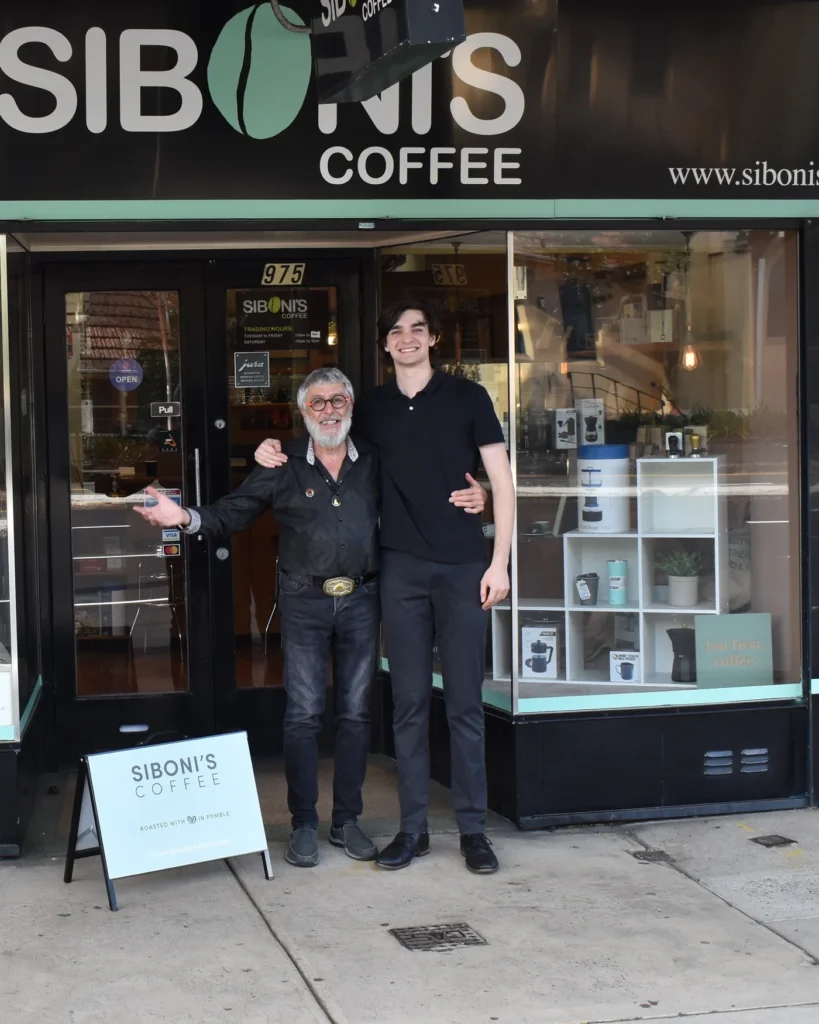
Most coffee brands with “since [year]” on their sign use it as decoration. For us it’s closer to a job description — the same roastery, on the same stretch of the Pacific Highway in Pymble, doing the same green-bean blending Serge Siboni started back in 1988 and enhanced by Dean and Rose Kiner over 20 years.
Where it started
Serge Siboni founded the roastery in Pymble in 1988, building a reputation on the Upper North Shore for small-batch roasting and blends built the harder way — blending the green beans before roasting, rather than mixing already-roasted beans together afterwards. In an era when a lot of Sydney’s coffee culture was still finding its feet, that commitment to doing it properly rather than quickly set the shop apart early, and it’s the same reason locals kept coming back decade after decade.
A shop built around the roaster, not around a counter
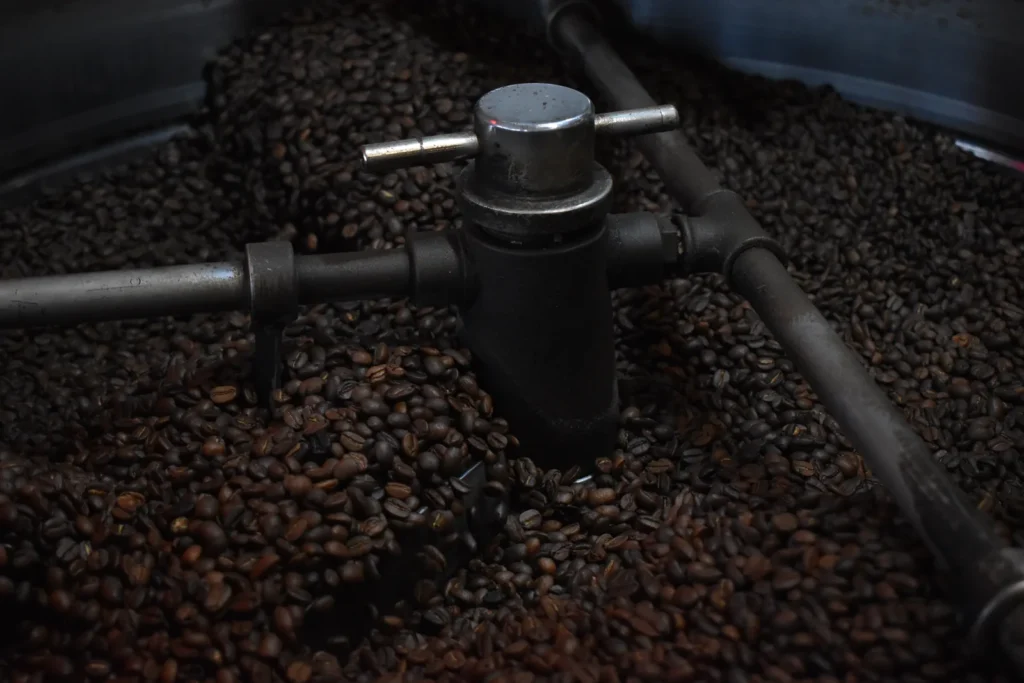
From the beginning, the roastery itself has been part of the shop, not tucked away out of sight. Customers can watch beans roasting, smell the process happening in real time, and talk to whoever’s behind the roaster about what they’re drinking. That’s not a design choice made for atmosphere — it’s genuinely how the business has always worked, and it’s part of why so many customers describe the shop as feeling more like a local institution than a retail outlet.
A neighbourhood that’s changed around a shop that hasn’t
Pymble and the Upper North Shore have changed a great deal since 1988 — new apartments, new shopfronts, generations of families moving through the area. Through all of it, 975 Pacific Highway has stayed a coffee roastery, run in much the same spirit it started in. Customers who first walked in decades ago sometimes bring their own children, and now grandchildren, in for the same roast they’ve always bought. That kind of continuity is rare for a small, independently-run shop in a city that changes as quickly as Sydney does, and it’s something we don’t take for granted.
What’s stayed the same
The roastery is still on-site — coffee roasted in small batches, days (not months) before it reaches you. Our tagline says it plainly: we roast it, we drink it, we sell what’s left. It’s not a slogan dreamed up in a meeting; it’s roughly how the shop has always run. Small batches mean less sitting in storage, which means what you’re buying is closer to what came straight off the roaster than most coffee on a supermarket shelf will ever be.
Recognition along the way
Siboni’s has picked up multiple Silver and Bronze medals at the Sydney Royal Easter Show and the Golden Bean Awards over the years — Romeo, our house blend, is the most decorated of the range. Awards aren’t the point of what we do, but a track record of independent recognition, rather than just our own claims, is a reasonable signal that the quality holds up under scrutiny, not just in our own shop. Independent judging also matters because it forces a kind of consistency a shop can’t fake purely through its own regulars’ loyalty — the beans have to hold up against other roasters, on a day the roaster doesn’t control, judged by people with no relationship to the shop at all.
Three families, one roastery
Over the decades, the people behind the counter have changed, but the underlying values haven’t — small-batch roasting, green-bean blending, and treating regulars like regulars rather than transactions. Serge, Dean and Rose still visit the shop and stay in touch with long-time customers, and that continuity matters to people who’ve been buying their coffee here for years, sometimes decades.
The roasting process itself hasn’t been shortcut
It would have been easy, at some point over the decades, to switch to a faster or cheaper roasting method as the shop grew — plenty of roasters do exactly that once volume increases. We haven’t. Green-bean blending is more labour-intensive than blending after roasting, and small-batch roasting means roasting more often rather than roasting once in bulk and storing the result. Both choices cost more in time and effort than the alternative. Both stayed because the point was never to make roasting easier — it was to make the coffee better, and that hasn’t changed just because the shop has been open a long time. More importantly, we’re not roasting to a formula, we’re examining the raw materials that change season to season and looking to extract the very best coffee we can while remaining true to the philosophy and intent laid down by the hard work of our predecessors. We hope you enjoy the results of that constant attention as much as we enjoy delivering it.
Building a community, one counter conversation at a time
A lot of what’s kept people coming back for decades isn’t really about the beans on their own — it’s the conversations that happen over the counter. Regulars asking what’s new, first-time visitors curious about the roaster running in full view, someone who’s just switched machines wanting advice on grind settings. That kind of ongoing, informal relationship between the people roasting the coffee and the people drinking it is genuinely harder to build in a bigger operation, and it’s one of the things we’ve deliberately kept small enough to protect.
What visitors notice on their first trip in
People walking in for the first time often mention the same two things: the smell, and the roaster itself sitting in plain view rather than hidden out the back. It’s a genuinely different first impression to a café or bottle shop that happens to also sell bags of beans — you’re standing in an actual working roastery, and it tends to change the conversation from “which bag should I buy” to real curiosity about where the coffee comes from and how it’s made. That reaction, repeated across decades of first-time visitors, is part of why the shop has never felt the need to move the roaster out of view to make room for more retail floor space.
Where things are headed
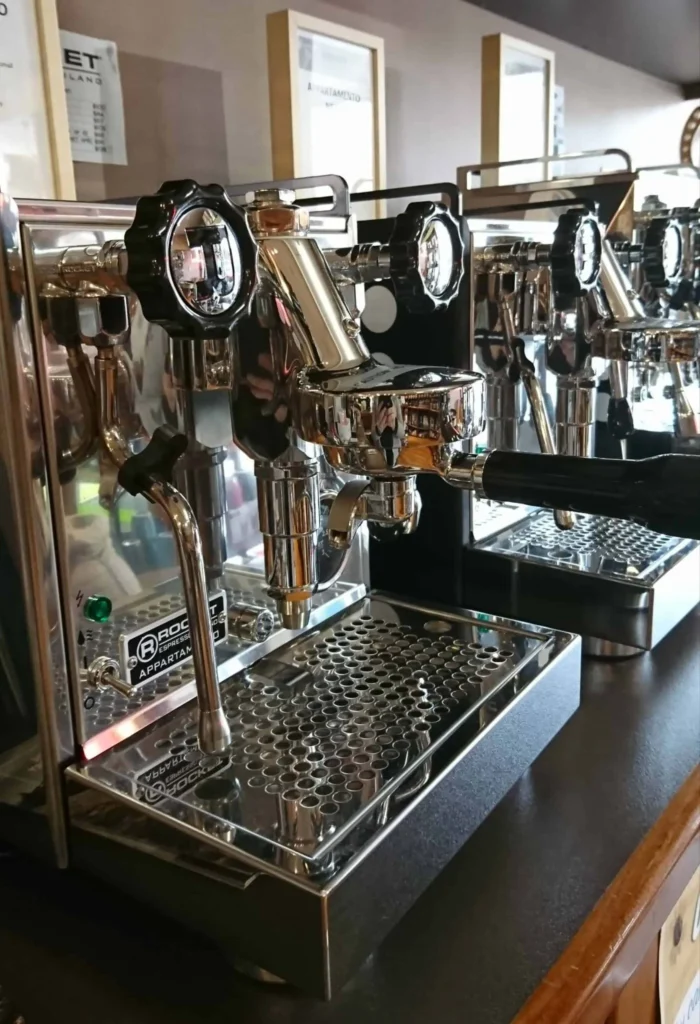
Andrew Brown now runs day-to-day operations, with the same emphasis on quality over shortcuts — paying more attention to speciality tea, a wider machine and grinder range, and wholesale supply for Sydney cafés, while keeping the roastery itself unchanged. The goal has never been to grow for the sake of growing; it’s been to bring more people into the same experience that’s kept regulars coming back since 1988, whether that’s someone buying beans online for the first time or a café across Sydney switching to wholesale supply.
At the end of the day, it’s all about the beans — Siboni’s, for the love of coffee, and we just want you to enjoy yours as much as we enjoy ours. Read more about visiting the shop or browse our current range.
Is Serge Siboni still involved?
Yes — he still visits the shop and keeps in touch with regulars, even though Andrew Brown now runs day-to-day operations.
What does “green-bean blending” mean?
We blend the unroasted (green) beans first, then roast the blend as one batch — rather than roasting each origin separately and mixing afterwards, which is the more common shortcut.
Where is the roastery?
975 Pacific Highway, Pymble NSW — the same site the business has operated from since 1988.
Has the shop won any awards?
Yes — multiple Silver and Bronze medals at the Sydney Royal Easter Show and the Golden Bean Awards, with Romeo, our house blend, the most decorated.
Can I watch the coffee being roasted in-store?
Yes — the roastery is part of the shop, not hidden away, so you can see and smell the process while you’re there.
Has the roasting process changed much since 1988?
No — small-batch roasting and green-bean blending are both more labour-intensive than the faster alternatives, and we’ve kept both rather than shortcut them as the shop grew.