Best Coffee Roasters in Sydney: What to Actually Look For
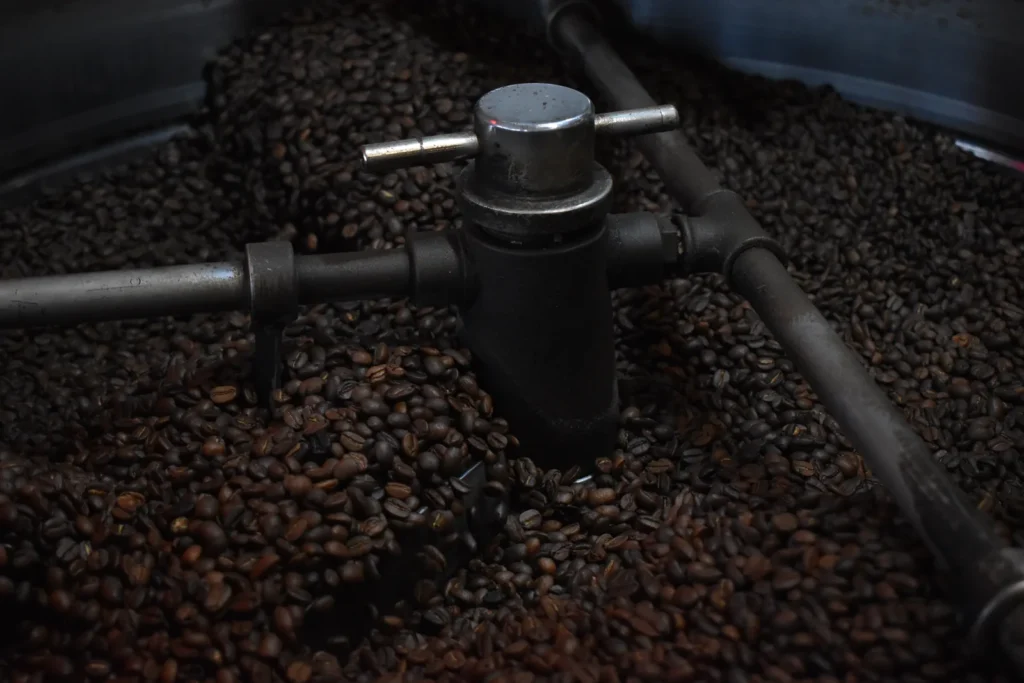
“Fresh roasted” is on every bag in Sydney. The real question is what’s actually behind that claim — here’s what to check before you commit to a roaster, whether you’re buying for home or for a café.
Ask how the beans are actually blended
Most roasters blend after roasting — mixing beans that were each roasted separately. Fewer blend the green (unroasted) beans first, then roast the mix as one batch. It’s more labour-intensive but produces a more consistent result batch to batch. Worth asking directly if consistency matters to you, and worth asking what happens to a blend’s flavour profile if one origin in it has a weaker harvest — a roaster who’s thought this through will have a real answer, not a shrug.
Small batch should mean something specific
“Small batch” gets used loosely. Ask how often a roaster actually roasts, and how long beans typically sit before reaching a customer — days is meaningfully different from weeks or months, even if both technically qualify as “small batch” somewhere. A genuinely small-batch operation roasts frequently enough that stock doesn’t sit around; if a roaster can’t answer roughly how long their beans sit in storage before sale, that’s worth noting.
Roast date transparency
A roaster confident in their freshness will print an actual roast date on the bag, not just a best-before date months away. If a bag only shows a best-before date with no roast date, it’s harder to judge how fresh what you’re buying actually is — a best-before date tells you when coffee becomes unacceptable, not when it was at its best.
Sourcing and traceability
Ask what a roaster can actually tell you about where specific beans come from — not just a country name, but ideally the region, and for single origins, something about the farm or cooperative. A roaster who can speak specifically about sourcing, rather than vague ethical-sounding language, is usually one who’s actually engaged with where their coffee comes from rather than just repeating a supplier’s marketing copy.
Understanding roast levels, and why “best” isn’t one fixed answer
A big part of judging a roaster is understanding that light, medium and dark roasts aren’t a quality ladder — they’re different destinations entirely. A light roast preserves more of a bean’s specific origin character, acidity and fruit notes, which is why single origins built to showcase a region are often roasted lighter. A darker roast trades some of that origin character for deeper caramelisation, body and a more traditional “coffee” flavour, which suits espresso and milk-based drinks particularly well. A good roaster should be able to explain why a specific bean is roasted the way it is, rather than roasting everything to one house style regardless of what actually suits that origin.
Local means you can actually visit
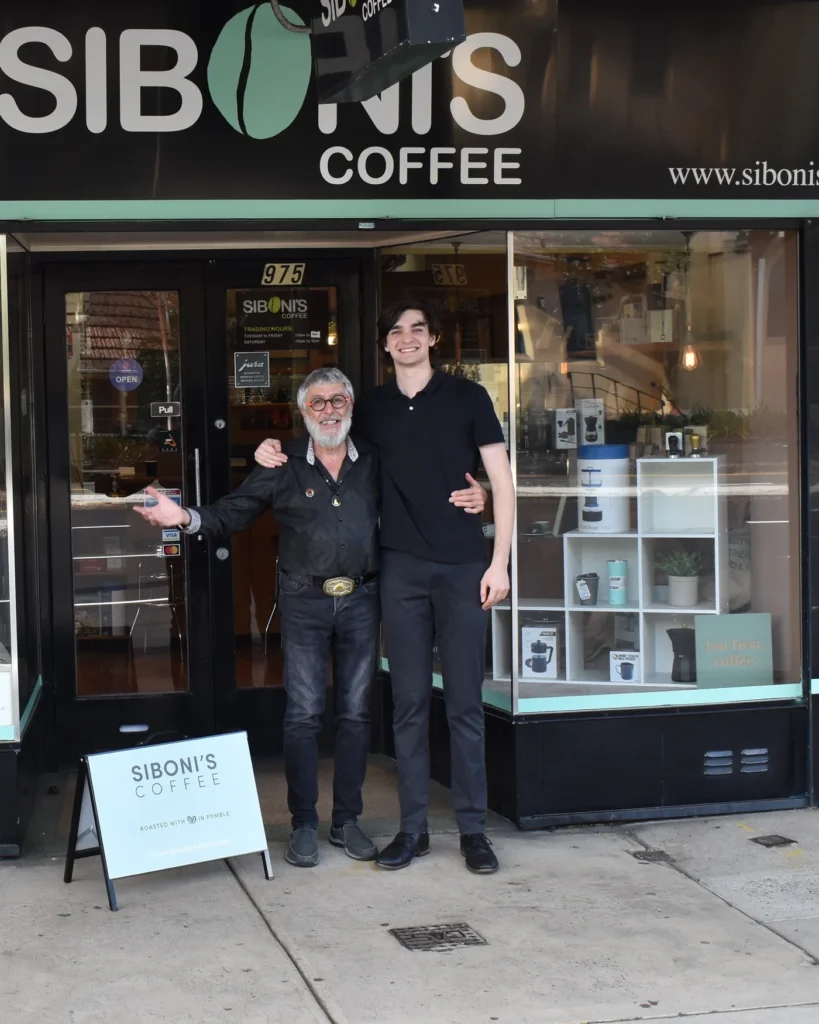
A Sydney roastery you can walk into, talk to the roaster, and taste before you buy is a genuinely different experience from ordering online from an interstate operation. We’ve been roasting from the same Pymble site since 1988 — Serge Siboni still visits and talks with long-time customers. Being able to smell the roastery, ask a real question, and get a real answer is something no amount of website copy can substitute for.
Track record matters more than marketing
Awards aren’t everything, but a track record of independent recognition is a reasonable signal that a roaster’s quality holds up beyond their own claims. Marketing copy is free to write; consistent recognition from independent judging over years is harder to fake.
Sustainability practices worth asking about
Beyond sourcing, it’s worth asking a roaster about the more practical side of sustainability — packaging that can be recycled or reused, whether green coffee sacks and offcuts are disposed of responsibly, and general waste handling in a working roastery. These questions are less glamorous than sourcing stories but tell you a lot about whether a roaster’s environmental claims extend past the marketing copy on the bag into how the business actually operates day to day.
Packaging and how it protects what you’re buying
Look for valve bags that let CO2 escape without letting oxygen in — this protects flavour far better than a simple sealed bag without a valve, particularly if beans sit for more than a week or two before you finish them. It’s a small detail, but it says something about whether a roaster has thought through the whole journey from roaster to cup, not just the roasting step itself.
Service that extends past the bag
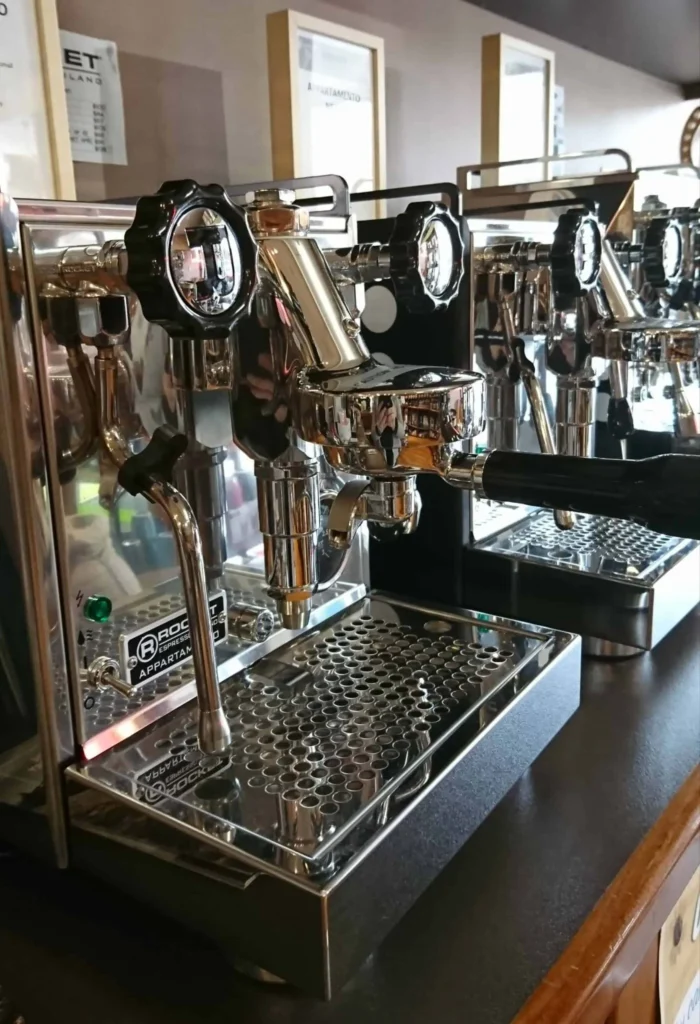
A roaster that also sells and services machines understands the whole chain from bean to cup, not just the roasting step. A roaster who can talk knowledgeably about grind size, machine settings and brew methods — not just their own beans — is one who’s thinking about your actual cup of coffee, not just the sale.
At the end of it, the checklist above is really just one idea in disguise: it’s all about the beans, and a roaster who genuinely loves coffee will show it in every one of those answers, not just the marketing on the bag. Read more about our story since 1988 or browse our coffee beans range.
What does “green-bean blending” mean, and does it matter?
It means blending unroasted beans before roasting the mix as one batch, rather than roasting each origin separately and combining afterwards. It matters for consistency — every bean in the bag was roasted specifically as part of that blend.
How fresh should roasted coffee be when I buy it?
Ideally days, not weeks or months. Ask any roaster directly how long their beans typically sit before reaching you, and check whether the bag shows an actual roast date, not just a best-before date.
Can I visit and taste before buying?
Yes — visit our Pymble shop and talk to us about what suits your taste and machine.
Why does packaging with a one-way valve matter?
It lets CO2 escape from freshly roasted beans without letting oxygen in, which protects flavour for longer than a simple sealed bag without a valve.
Should a roaster be able to tell me exactly where beans came from?
Ideally yes, beyond just a country name — region, and for single origins, some detail about the farm or cooperative. It’s a good sign of genuine sourcing engagement rather than repeated marketing copy.
Does a darker roast mean lower quality?
No — roast level is a style choice, not a quality ladder. A good roaster picks the roast level that suits a specific bean and brew method, rather than roasting everything the same way.